Trying to choose between Birmingham and Bloomfield Hills for your next move? You’re not alone. Many executives and downsizers compare these two Oakland County standouts because they offer very different lifestyles. If you want walkable energy and low‑maintenance living, Birmingham shines. If you value privacy, space and a quiet setting, Bloomfield Hills is hard to beat. In this guide, you’ll get a clear, side‑by‑side look at housing types, daily life, commute realities, and ownership tradeoffs so you can decide which fits your priorities. Let’s dive in.
Two lifestyles at a glance
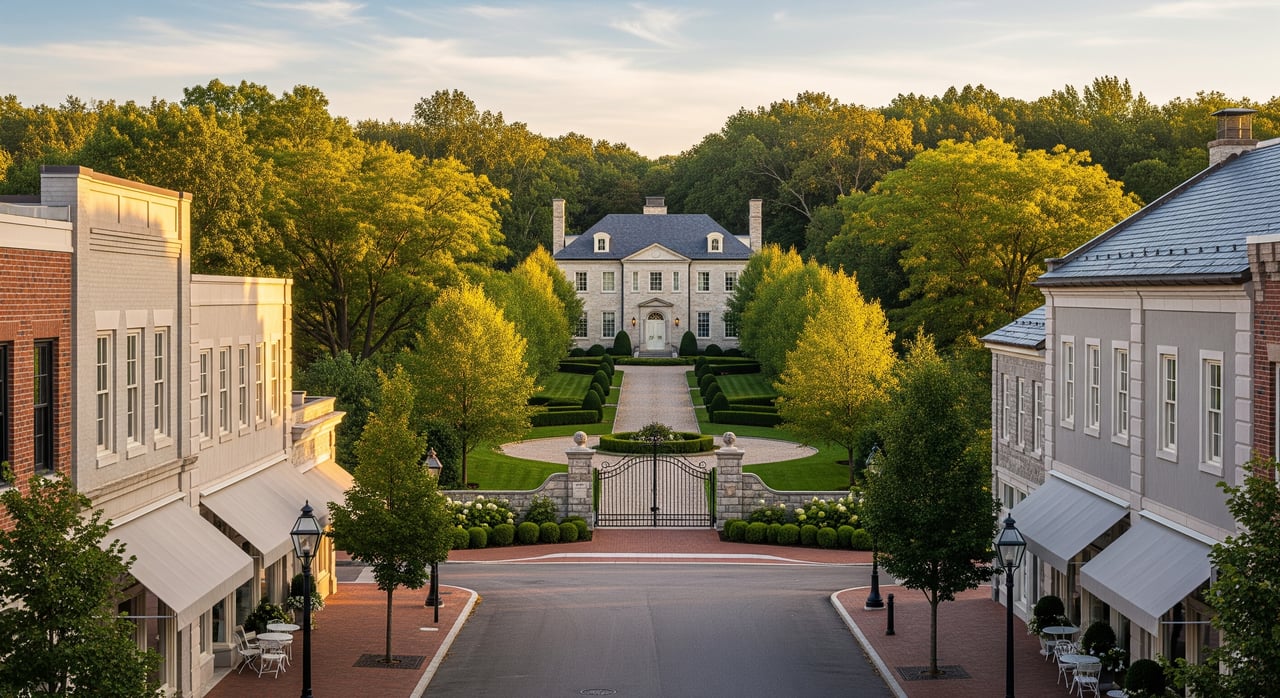
- Birmingham: Walkable downtown, condo and townhome options, lively dining and retail, municipal parking, and frequent civic events. You trade private yard space for proximity to everyday needs and a lock‑and‑leave feel.
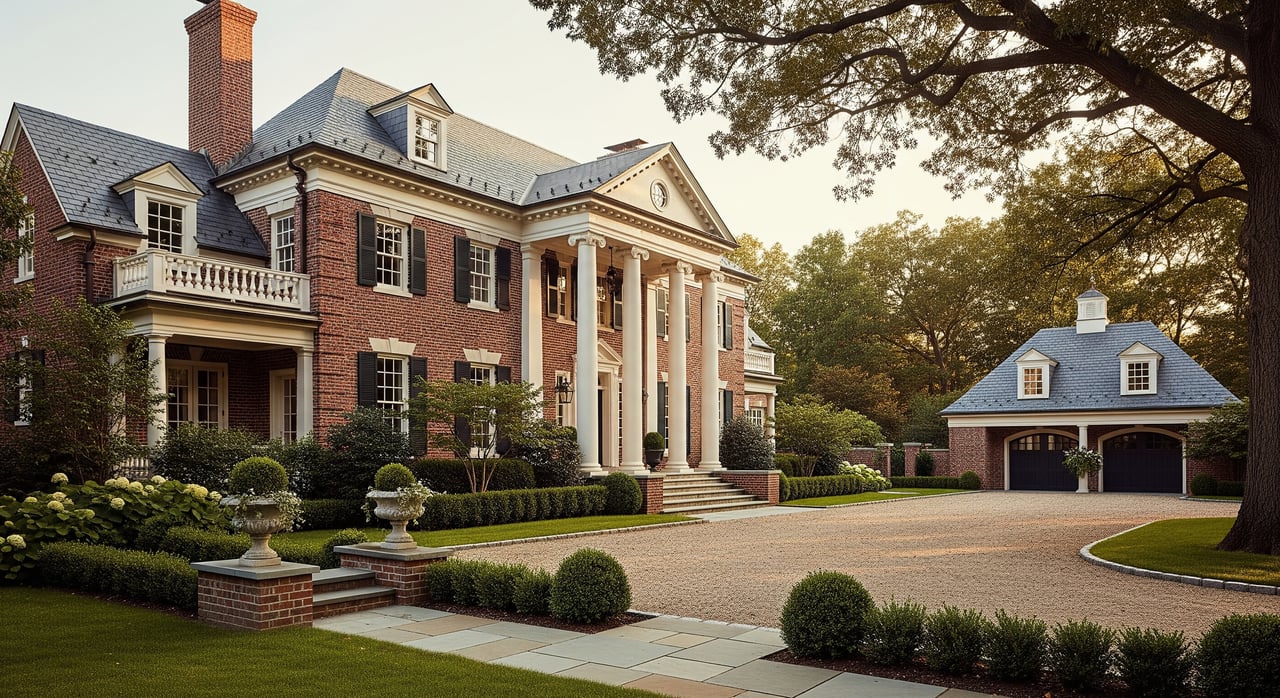
- Bloomfield Hills: Estate‑style single‑family homes on larger lots, quiet streets, and strong privacy. You trade walkability for land, autonomy, and the option to add private amenities.
Housing and property types
Birmingham condos and townhomes
Birmingham’s core centers on the Old Woodward corridor, where you’ll find mid‑rise condo buildings, street‑level retail, and restaurants within a short walk. Condo and townhome ownership reduces exterior maintenance and often includes shared amenities. You will have HOA governance and monthly dues, along with rules that guide building upkeep and common‑area standards. Expect smaller private outdoor areas and more structured parking, balanced by easy access to services and social life.
Birmingham also includes single‑family neighborhoods radiating from downtown. These areas offer more space than a condo, while keeping you close to shops, dining, and municipal amenities.
Bloomfield Hills estates and space
Bloomfield Hills is largely low‑density, single‑family residential with curvilinear streets and heavy tree cover. Many homes sit on larger parcels, often with private driveways and generous setbacks. If you value privacy, room for outdoor living, and options like pools or outbuildings, this setting aligns well. You will handle more land and maintenance, and daily errands usually involve a drive to nearby corridors. Rules and restrictions are typically less HOA‑driven, though local zoning still guides improvements and additions.
Daily life and amenities
Birmingham walkability and downtown access
Birmingham’s strength is its pedestrian‑oriented downtown. Old Woodward and nearby streets host a dense mix of boutiques, cafes, and restaurants. Civic events, parks, and municipal services sit within a compact footprint, so you can enjoy daily conveniences without getting in the car. Municipal parking structures and metered spaces serve residents and visitors, though guest parking rules vary by building.
Bloomfield Hills culture and green space
Bloomfield Hills offers a quieter rhythm and exceptional cultural access. The renowned Cranbrook campus includes museums, gardens, and public programming. Large private lots, wooded views, and lower street activity create a serene feel. Retail and services are more dispersed on bordering corridors, so plan to drive for errands and dining. For at‑home entertaining and outdoor amenities, the privacy and acreage can be a major draw.
Commute and access
Driving to major job centers
Both communities sit in suburban Oakland County with direct road access to employment hubs such as Troy, Southfield, and the Detroit central business district. Your commute experience will depend on your exact starting point, destination, and time of day. Executives often weigh the consistency of drive times and the ease of parking at home and work. Condo buildings may offer covered parking, while estate homes typically provide private garages and driveways.
Transit and non‑auto options
Regional bus service is provided by the Suburban Mobility Authority for Regional Transportation. Birmingham’s downtown core is more likely to have nearby bus stops and routes than many residential pockets in Bloomfield Hills. You can review route maps and schedules through SMART regional bus service. For many residents, rideshare, private car services, or employer shuttles fill gaps. If you value walking to daily needs and social activities, Birmingham has an edge. If your life is car‑oriented and home‑based, Bloomfield Hills fits well.
Parking realities
In Birmingham, you’ll find municipal parking garages, metered spaces, and in‑building garages for many condos. It’s important to confirm resident and guest parking policies for any building you consider, including guest pass limits and overnight rules. In Bloomfield Hills, on‑site parking is typically ample, with attached garages and long driveways. Guest parking is rarely an issue, but make sure driveway configurations and snow removal plans meet your seasonal needs.
Ownership tradeoffs and costs
HOA rules and shared services
Condo and townhome ownership in Birmingham means HOA dues and shared governance. Fees commonly support exterior maintenance, landscaping, snow removal, common‑area utilities, building insurance for shared elements, and reserve contributions. Review building budgets, reserve studies, and recent meeting notes so you understand coverage, upcoming projects, and the potential for special assessments. Shared amenities can add value and convenience, but it’s wise to assess long‑term financial health.
Maintenance and autonomy
Estate properties in Bloomfield Hills provide more autonomy and space. You can tailor your property with outdoor features and additions, subject to local zoning and permitting. However, larger lots come with higher ongoing maintenance, from landscaping and tree care to seasonal tasks and utility management. If you prefer to control your environment and invest in private amenities, this model fits well. If you want to minimize upkeep and simplify, Birmingham’s condo lifestyle may be a better match.
Privacy, community, and guest access
Privacy is a clear advantage in Bloomfield Hills. The tradeoff is less spontaneous interaction and more driving for daily activities. Birmingham offers an easy social rhythm with restaurants, coffee shops, and events close by. For frequent hosts, think about how you entertain. A downtown condo makes it convenient to meet clients or friends nearby. An estate home makes it easy to host larger gatherings at home with plenty of onsite parking.
Resale and marketability
Liquidity considerations
Condos in walkable downtowns tend to attract a steady pool of downsizers and professionals who want low‑maintenance living near amenities. Building reputation, parking arrangements, and amenities can strongly influence demand and resale appeal. While buyer interest often remains consistent, each building performs differently based on location, finishes, and association health.
Marketing unique estates
Estate homes appeal to a more specialized buyer pool. Standout attributes like privacy, acreage, or notable architecture can help these properties retain strong value. Marketing may require more time and targeted exposure to reach the right audience. Presentation, pricing strategy, and a clear narrative about the property’s lifestyle benefits are key to attracting serious buyers.
Which fits your move?
- Choose Birmingham if you want a walkable lifestyle with restaurants, retail, and services at your doorstep. You prefer low‑maintenance living, structured parking, and easy access to downtown events and meetings.
- Choose Bloomfield Hills if you value space, privacy, and the option to create or expand private amenities at home. You do not mind driving for errands and you’re comfortable managing a larger property.
- Consider your hybrid options. Single‑family streets near Birmingham’s core can offer a middle ground: more space without giving up proximity. And select townhome settings may provide privacy while keeping you close to daily needs.
Action checklist for on‑the‑ground clarity
- Test your commute. Drive from each area to your primary workplace during peak and off‑peak to compare consistency.
- Verify HOA scope. For any Birmingham condo or townhome, review budgets, reserves, meeting notes, rules, and guest parking policies.
- Confirm parking and storage. Ask about assigned spaces, EV charging, storage lockers, and guest access.
- Review property constraints. For Bloomfield Hills, check zoning guidelines and setbacks before planning additions.
- Estimate maintenance. Price landscaping, snow removal, and seasonal upkeep for estate lots; compare to HOA dues and what they cover.
- Map daily needs. Identify grocery, pharmacy, and healthcare access, and decide if you prefer to walk or drive.
- Assess noise and activity. Visit Birmingham properties at different times to gauge event and traffic patterns near your building.
- Consider future changes. Downtown Birmingham may see additional mixed‑use development over time, while Bloomfield Hills’ lower‑density zoning can limit change. Decide which path aligns with your comfort level.
Your next step
Choosing between Birmingham and Bloomfield Hills is ultimately about aligning lifestyle with function. If you want energy and ease, Birmingham’s downtown simplifies daily life. If you want privacy and space, Bloomfield Hills delivers room to spread out. When you are ready, let a local advisor guide you through specific buildings, streets, and properties that match your priorities. Schedule a conversation with Robert Prior to compare addresses, review HOA or zoning details, and map out your move with confidence.
FAQs
Is Birmingham walkable compared to Bloomfield Hills?
- Yes. Birmingham’s downtown offers a compact mix of shops, dining, and services within short walking distances, while Bloomfield Hills is primarily car‑oriented with dispersed retail.
How do HOA fees work in Birmingham condos and townhomes?
- HOA dues typically cover exterior maintenance, landscaping, snow removal, common‑area utilities, building insurance for shared elements, and reserves; review each association’s documents for specifics.
Are there public transit options in either city?
- The SMART regional bus network serves Oakland County corridors, with Birmingham’s core more likely to have nearby stops; check SMART route information for current service.
What should I know about guest parking in downtown Birmingham buildings?
- Policies vary by property. Confirm guest passes, time limits, and overnight rules with the HOA or building manager before you buy.
Will an estate home be harder to sell than a condo?
- Estate homes serve a more specialized buyer pool and can take longer to market, while walkable condos often draw steady demand from downsizers and professionals; results depend on property features and presentation.